Introduction
In an age where technology is woven into the very fabric of our daily lives, securing our digital communications has never been more crucial. Voice over Internet Protocol (VoIP) systems have revolutionized how businesses communicate, offering flexibility, cost savings, and enhanced features compared to traditional phone systems. However, with these advantages come significant vulnerabilities if not properly secured. This article delves deep into Creating Stronger Password Policies for Your Business’s VoIP System, ensuring your organization can leverage the benefits of VoIP while safeguarding against potential threats.
What Are VoIP Phones?
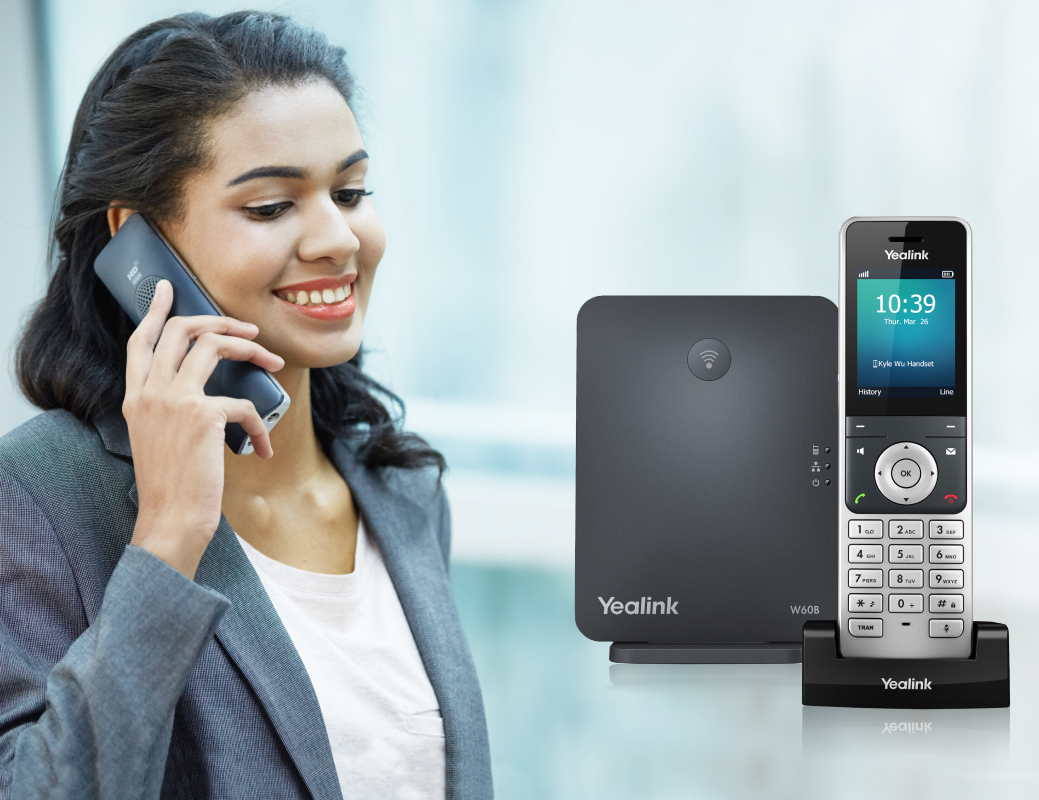
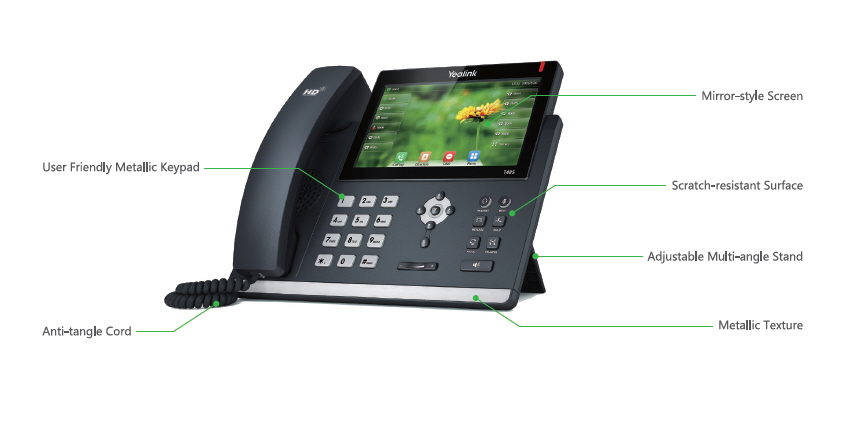
VoIP phones are devices that utilize internet connectivity to conduct voice calls instead of relying on traditional telephone lines. They convert voice signals into data packets and transmit them over the internet. This technology not only allows for voice communication but also integrates video calls, messaging, and conferencing capabilities—all in one platform.
Importance of VoIP Security
Why does security matter when it comes to VoIP? The answer lies in the sensitivity of the data being transmitted. Communication often involves confidential information—client details, business strategies, financial transactions—making it a prime target for cybercriminals. A breach could result in not just financial loss but also reputational damage.
Understanding Password Vulnerabilities in VoIP Systems
Common Password Weaknesses
Passwords are often the first line of defense in protecting your system. Unfortunately, many users fall prey to common pitfalls:
Weak Passwords: Simple passwords like "123456" or "password" are easily guessable. Default Credentials: Many devices come with factory-set passwords that are widely known and should be changed immediately. Reused Passwords: Using the same password across multiple platforms increases vulnerability.The Role of Social Engineering
Cybercriminals may employ social engineering tactics to gain access to credentials. This could involve phishing emails or phone calls impersonating tech support to trick employees into revealing sensitive information.
Creating Stronger Password Policies for Your Business’s VoIP System
Creating robust password policies is essential for maintaining a secure VoIP environment. Here are several strategies that can help elevate your organization's security posture:
Implementing Two-Factor Authentication (2FA)
What is 2FA?
Two-factor authentication adds an additional layer of security VoIP Phones beyond a simple password by requiring a second verification method, such as a text message or an authentication app.
Establishing Minimum Password Requirements
Your policy should dictate specific standards for password creation:
- Minimum length: At least 12 characters Inclusion of uppercase letters, lowercase letters, numbers, and special symbols Prohibition of commonly used passwords
Regularly Updating Passwords
Passwords should be updated regularly—every 90 days is a good standard practice. This routine helps protect against unauthorized access from former employees or compromised accounts.
Training Employees on Security Best Practices
Educating staff about secure practices regarding passwords can significantly reduce your risk profile:
- Encourage employees not to share passwords. Use unique passwords for different accounts. Recognize phishing attempts and social engineering tactics.
Crafting Effective Password Management Strategies
A well-rounded approach to password management includes tools and practices that enhance security without sacrificing convenience.
Utilizing Password Managers
Password managers can securely store and generate complex passwords for various accounts:
- They allow users to access numerous accounts without needing to remember every single password. Most offer features like automatic password change reminders and breach alerts.
Enforcing a Lockout Policy
Implementing lockout policies can deter unauthorized access attempts:
- After several unsuccessful login attempts, accounts should be temporarily locked. Notify users when their accounts have been locked due to suspicious activity.
Monitoring and Auditing Access Logs
Keeping tabs on who accesses your VoIP system is vital for spotting potential threats early on.
Regular Audits
Conduct audits at regular intervals looking at:
- Who accessed what information Any unusual access patterns Login times outside normal working hours
Real-Time Monitoring
Using monitoring software can help identify breaches as they happen by alerting administrators immediately when unauthorized attempts occur.
FAQs About Securing Your Business’s VoIP System
Q1: How do I know if my VoIP phone system is secure?
A1: Check if you have implemented strong passwords, two-factor authentication, and regular updates on both hardware and software components.
Q2: What should I do if I suspect my VoIP system has been compromised?
A2: Immediately change all related passwords, inform your IT department or service provider, and investigate any unusual activity logs.
Q3: How often should we update our password policies?
A3: Review your password policies at least annually or whenever there’s a significant change in your business structure or technology landscape.
Q4: Can I implement strong password policies without affecting productivity?
A4: Yes! Training employees on the importance of security while utilizing tools like password managers can streamline processes without compromising safety.
Q5: What features should I look for in a good VoIP provider regarding security?
A5: Look for providers that offer encryption services, regular software updates, customizable security settings (like two-factor authentication), and reliable customer support.
Q6: Is it necessary for small businesses to prioritize VoIP security?
A6: Absolutely! Small businesses are often targeted because they typically lack robust security measures; protecting sensitive information is crucial regardless of company size.
Conclusion
In conclusion, Creating Stronger Password Policies for Your Business’s VoIP System is not just a recommendation; it's a necessity in today’s rapidly evolving cybersecurity landscape. By implementing robust measures such as two-factor authentication, training staff on best practices, and conducting regular audits, you can safeguard your organization from potential threats while enjoying all the benefits that modern communication technologies offer. A proactive approach toward securing your business will instill confidence among clients and stakeholders alike—ensuring that you’re not just keeping up with technology but leading the way responsibly.